
Advanced Eye Care Technology include Word Ai
Safe, precise, and comfortable micro‑incision cataract surgery with advanced intraocular lens options
Cataract surgery at Rameshwaram Netralaya is designed to be safe, precise and comfortable, using micro‑incision, blade‑free techniques and advanced intraocular lenses to restore clear vision. The entire process—from diagnosis to post‑operative follow‑up—is handled under one roof with a strong focus on counselling and patient support.
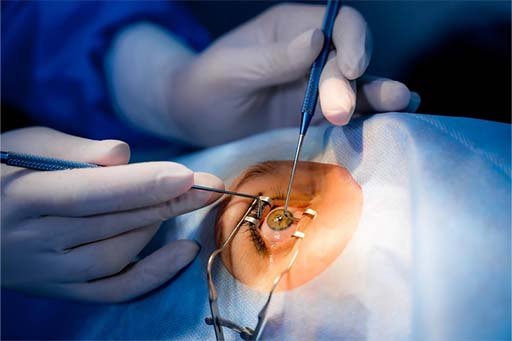
What Is Cataract?
A cataract is a clouding of the eye's natural lens that gradually reduces clarity of vision, making daily activities like reading, driving at night or recognizing faces more difficult.
Causes & Risk Factors
- Age-related (most common)
- Diabetes
- Long‑term steroid use
- Eye injury or trauma
- Previous eye surgery
- Strong family history
- Excessive UV exposure
Common Symptoms
When to consider surgery: When these symptoms begin to interfere with routine tasks and quality of life, cataract surgery becomes the most effective and permanent treatment option.
MICS Procedure Explained
Micro‑Incision Cataract SurgeryMicro‑Incision Cataract Surgery (MICS) is a modern, minimally invasive form of cataract surgery where the cloudy lens is removed through a very small opening—typically about 1.8–2.2 mm—and replaced with a foldable intraocular lens (IOL).
Step‑by‑Step Procedure Overview
Anaesthesia & Preparation
Numbing drops or local anaesthesia are used so the eye is comfortable. The area is cleaned and a small clip keeps eyelids gently open.
Tiny, Self‑Sealing Incision
Surgeon creates a clear‑corneal micro‑incision of about 2 mm. This micro‑tunnel is designed to be self‑sealing, so no stitches are required.
Cataract Removal (Phacoemulsification)
A fine probe uses controlled ultrasound energy to break the cloudy lens into tiny fragments, which are gently washed out.
Foldable IOL Implantation
A soft, foldable IOL is inserted through the same small incision using a special injector, then unfolds inside the natural lens capsule.
Completion & Recovery
A protective shield is placed, and most patients go home the same day with post‑operative instructions and eye drops.
Watch our detailed animation explaining the MICS procedure step-by-step
Premium IOL Options
During cataract surgery, the cloudy natural lens is replaced with an artificial intraocular lens (IOL). The type of IOL chosen has a big impact on how dependent a person will be on glasses afterwards. Premium IOLs give a wider range of clear vision and/or correct astigmatism.
Trifocal IOLs
Most AdvancedProvide vision for distance, intermediate and near, aiming for maximum reduction in glasses dependence. Suitable for active people who want freedom from glasses.
EDOF IOLs
Extended Depth of FocusCreate a "stretched" focus range with fewer night‑time visual phenomena. Often chosen by those who prefer more natural vision with light reading glasses for fine print.
Advanced Monofocal
Enhanced DistancePrimarily optimized for very clear distance vision with enhanced optical design that can slightly improve intermediate range compared with older monofocals.
Toric IOLs
Astigmatism CorrectionSpecifically designed to correct corneal astigmatism in addition to clearing the cataract, improving uncorrected distance vision in patients with astigmatism.
Blade‑Free Surgery Benefits
Our modern phacoemulsification technique is "blade‑free, stitch‑free" – a gentler approach than older methods. Here are the key benefits:
Very Small Incision (≈2 mm)
Less disturbance to cornea and tissues, reducing surgically induced astigmatism and supporting faster visual stability.
Stitch‑Free, Self‑Sealing
No sutures means greater comfort, less foreign‑body sensation and more natural appearance soon after surgery.
Faster Recovery
Many patients notice improved vision within days and can resume light activities sooner than with older techniques.
Lower Tissue Trauma
Controlled energy and fluidics reduce swelling and speed up healing for suitable cases.
Better Optical Quality
Smaller, well‑centered wounds maintain corneal shape accurately, supporting sharper visual outcomes.
Same‑Day Discharge
Most patients return home within hours, with proper post‑operative instructions and follow‑up care.
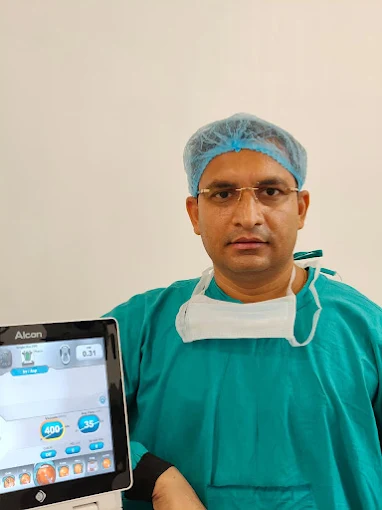
Dr. Umesh Singh
Senior Cataract & IOL Surgeon
Pre & Post‑Operative Care
Essential guidance for optimal outcomes and patient confidence
Before Scheduling
- Comprehensive eye examination
- Vision testing & eye pressure check
- IOL power measurements (biometry)
- Retina & optic nerve tests (OCT)
Medical Preparation
- Review of general health conditions
- Blood pressure & sugar control
- Medication adjustments if needed
- Pre‑operative eye drops guidance
Counselling & Planning
- Detailed IOL options discussion
- Realistic outcome expectations
- Procedure steps explanation
- Arranging attendant for surgery day
Day Before Surgery
- Fasting instructions (if applicable)
- Personal hygiene guidance
- Medication schedule confirmation
- What to bring to hospital
Day 0‑1 (Immediately After)
Initial Recovery- Mild discomfort/watering is normal
- Use prescribed eye drops as directed
- Do not rub or press the eye
- Avoid getting water in eye
- Wear protective shield/glasses
Week 1
Healing Phase- Regular antibiotic & anti‑inflammatory drops
- Avoid heavy lifting & strenuous exercise
- No swimming, eye makeup, or dusty areas
- Gentle indoor activities permitted
- First follow‑up appointment
Weeks 2‑4
Recovery Phase- Resume most daily activities with caution
- Desk work & light household chores okay
- Follow‑up visits for healing monitoring
- Glasses prescription if needed
- Gradual return to normal routine
When to Contact Your Doctor Immediately
Important: Keep all follow‑up appointments even if you feel well, as some issues can be detected only on examination.
Ready to See Clearly Again?
If you or your family member is noticing blurred vision, difficulty with night driving or glare from lights, book a cataract evaluation with our team to understand your options.