LASIK & Refractive Surgery at Rameshwaram Netralaya
Laser vision correction for myopia, hyperopia and astigmatism with advanced image-guided technology
Laser vision correction (LASIK) helps reduce or eliminate the need for glasses or contact lenses by reshaping the cornea so light focuses correctly on the retina. It is effective for myopia (minus power), hyperopia (plus power) and astigmatism.
At Rameshwaram Netralaya, LASIK and refractive procedures are performed using advanced eye scans and precise treatment planning to ensure safe, accurate and predictable results, with expert counselling for realistic expectations.
What Is LASIK?
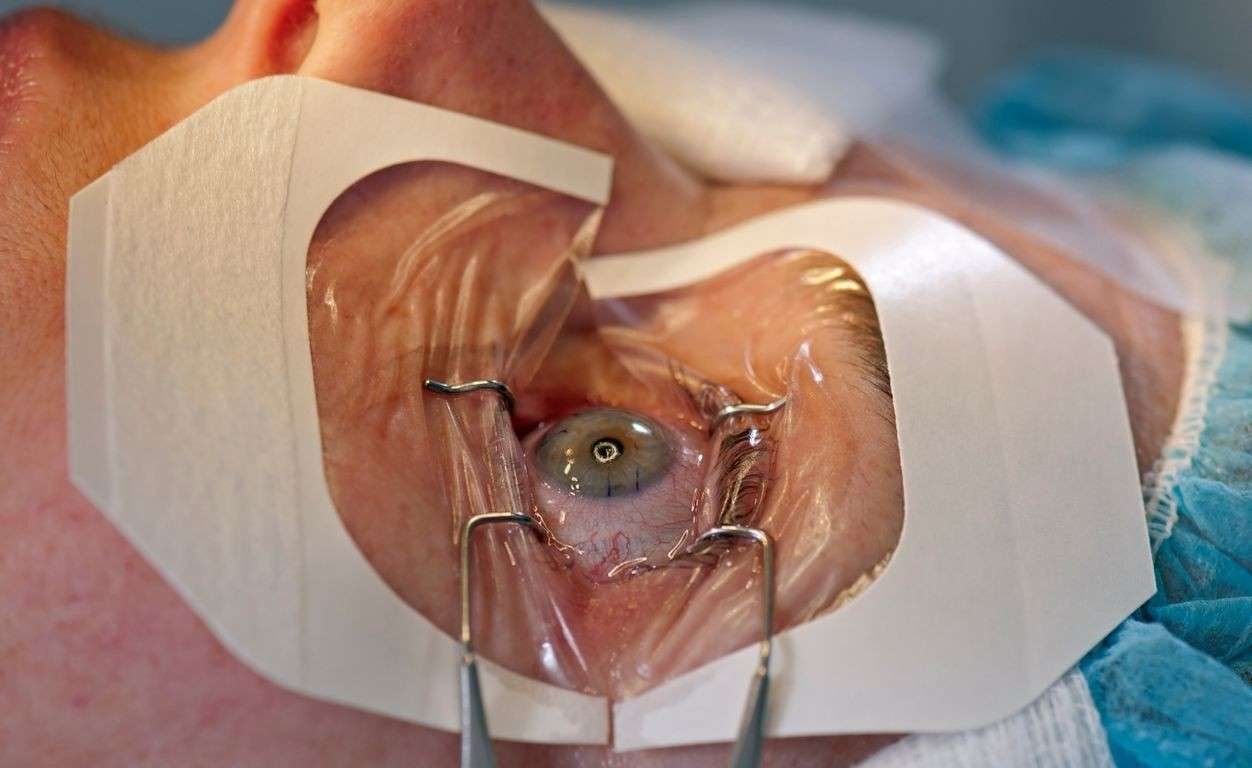
Laser‑Assisted In Situ KeratomileusisLASIK (Laser‑Assisted In Situ Keratomileusis) is one of the most commonly performed laser eye surgeries worldwide for spectacle number correction. The goal is to gently reshape the cornea so that light rays come to a sharp focus on the retina without the need for glasses or contact lenses.
Conditions Treated by LASIK
Myopia
Nearsightedness (minus number)
Hyperopia
Farsightedness (plus number)
Astigmatism
Irregular corneal curvature
LASIK Procedure – Step by Step
Pre‑operative Evaluation
- Detailed eye examination including vision testing, glasses power, eye pressure and corneal health assessment.
- Corneal topography and pachymetry to map the shape and thickness of the cornea.
- Retina and optic nerve evaluation to rule out underlying problems.
- Discussion of expectations, lifestyle, and whether LASIK or an alternative procedure is more suitable.
Treatment Planning
- Precise measurements are used to calculate how much corneal reshaping is needed for your prescription.
- In image‑guided systems, high‑resolution images and axis data are used to plan treatment centration and alignment, especially when astigmatism correction is involved.
The LASIK Procedure Day
- Numbing drops are placed in the eyes; no injections are generally required.
- A thin flap is created on the surface of the cornea using a microkeratome or femtosecond laser, and gently lifted to expose the treatment layer beneath.
- An excimer laser then reshapes the cornea in a matter of seconds according to the pre‑planned pattern for your prescription.
- The flap is carefully repositioned, where it naturally adheres back without stitches.
- The entire procedure for both eyes usually takes around 15–20 minutes, with laser time per eye being less than a minute in most cases.
Immediately After LASIK
- Vision is often misty or hazy for a few hours, with mild watering or foreign‑body sensation.
- Dark glasses and lubricating drops are given, along with instructions on blinking, resting and eye protection.
Watch our detailed animation explaining the MICS procedure step-by-step
Am I a Candidate?
Not everyone who wears glasses is automatically fit for LASIK, which is why a thorough refractive work‑up is critical before planning surgery.
You may be a good candidate if:
Ideal Candidate- You are 18 years or older and your glass power has been stable for at least 1–2 years.
- Your refractive error (myopia, hyperopia or astigmatism) falls within safe treatable limits.
- Your cornea is healthy, with adequate thickness and regular shape on topography.
- You have no active eye disease such as uncontrolled dry eye, significant corneal scars, advanced glaucoma or active retinal disease.
- You are not pregnant or breastfeeding at the time of evaluation.
- You understand the benefits and limitations of surgery and have realistic expectations.
You may NOT be ideal for LASIK if:
Alternative Options- You have very thin or irregular corneas, keratoconus or other ectatic disorders.
- You have uncontrolled diabetes, autoimmune disease or conditions that impair healing.
- You have severe dry eye that does not respond to treatment.
- Your glass number is still changing significantly every year.
VERION Image Guided System
The VERION Image Guided System is an advanced digital planning and guidance platform used to improve accuracy in eye surgeries by integrating high‑resolution imaging, measurements and intra‑operative guidance. At Rameshwaram Netralaya, VERION is highlighted as a key technology advantage for cataract and refractive surgery.
High‑definition Eye Imaging
VERION captures detailed images of the eye's front structures, limbal vessels and unique landmarks. These images serve as a "fingerprint" to guide alignment and centration during surgery.
Axis and Centration Precision
In eyes with astigmatism, even a small rotation error can reduce effectiveness. VERION helps align treatments on the exact axis planned, reducing human error and improving outcomes.
Integrated Planning
Pre‑operative data—such as corneal measurements, axis, and treatment parameters—are digitally transferred to compatible surgical systems, minimizing manual entry errors.
Patient Confidence
For patients, knowing that digital image guidance and advanced planning tools are being used adds an extra layer of assurance that their procedure is performed with modern technology.
Recovery & Results
Most patients are keen to know "how soon will I see clearly?" and "what should I avoid?" after LASIK; this section answers those concerns clearly.
First 24 Hours
Initial Recovery- Blurred or hazy vision gradually clearing over the day.
- Mild discomfort, burning, watering or light sensitivity are common.
- Rest, protective glasses and frequent lubricating drops are advised.
First Week
Healing Phase- Vision usually improves significantly within 1–3 days for most routine LASIK cases.
- Patients can often return to office work in a couple of days, following doctor's advice.
- Avoid rubbing the eyes, swimming pools, heavy exercise, eye makeup and dusty environments.
First Month
Fine‑tuning- Vision may continue to fine‑tune, with occasional dryness or glare/halos in some lighting conditions.
- Symptoms generally improve with time and lubrication.
- Regular follow‑up visits are important to monitor healing.
Long‑term Results
Lifetime Benefits- Many patients achieve 6/6 or near‑6/6 vision for distance without glasses.
- Mild residual numbers can sometimes persist and may require thin glasses for tasks like night driving.
- Natural age‑related changes like presbyopia (reading difficulty after 40+) will still occur.
Post‑LASIK Care Instructions
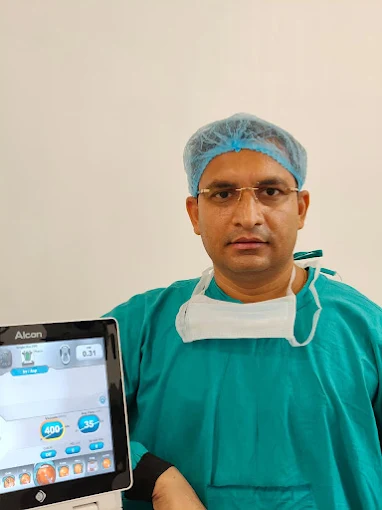
Dr. Umesh Singh
Chief Ophthalmologist & Cataract Surgeon
Cost & Financing Options
Transparent pricing with flexible payment plans
Standard LASIK
- Basic LASIK procedure
- Standard corneal mapping
- Post-operative care for 3 months
- Follow-up visits included
Advanced Custom LASIK
- Wavefront-guided LASIK
- Topography-guided treatment
- VERION image guidance system
- 1 year comprehensive follow-up
- Enhancement guarantee*
PRK / Advanced Surface Ablation
- For thin corneas
- No flap procedure
- Longer recovery time
- Post-operative care for 6 months
Ready to See Clearly Without Glasses?
If you are tired of depending on glasses or contact lenses, book a LASIK suitability evaluation at Rameshwaram Netralaya. Our team will perform a detailed assessment and guide you to the safest, most suitable option for your eyes.